What Interviewers Notice Before You Sit Down

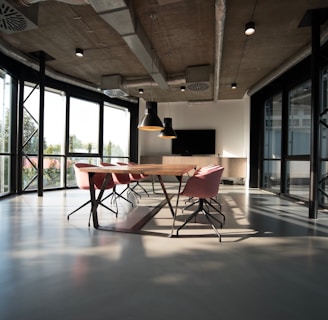
Just like online interviews, in-person interviews are about more than answering questions well. They're about how you show up from the very first moment. Before you say a word, your punctuality, appearance, and preparedness are already telling the interviewer whether you're ready and excited about the role. Here's what to get right before you ever sit down.
1. Whether you arrived with time to spare
Arriving 10–15 minutes early shows respect for the interviewer's time and gives you a buffer for the unexpected (traffic, parking, or finding the right office). It also gives you a few quiet minutes to settle in, collect your thoughts, and walk in calm instead of rushed. Showing up right at the exact time, or worse, late, can start the interview off on the wrong foot before you've even sat down.
2. Whether you look ready or rattled
Walking in sweaty, stressed, or disheveled sends the opposite message of what you want. Give yourself enough time before the interview to cool down, catch your breath, and compose yourself. If you're rushing in frazzled, it's hard to convey confidence, no matter how prepared your answers are. Ready and composed should be the vibe from the moment you walk through the door.
3. How you're dressed
It's always better to be slightly overdressed than underdressed. Research the company's culture beforehand, but when you're unsure, lean formal. Showing up polished signals that you take the opportunity seriously, while being underdressed can unintentionally suggest the opposite, even if that's not the case.
4. Whether you brought printed copies of your resume
Even if you've already submitted your resume online, bring a few printed copies to the interview. It's a small gesture that shows preparedness, and it gives the interviewer(s) or panel something to reference during the conversation. It also comes in handy if there are more people in the room than you expected.
5. Whether you actually prepared
This is the one interviewers notice most, even when they can't quite name it. Do you understand the role you're interviewing for? Do you know what the company actually does? Have you thought of questions worth asking, ones that show real interest rather than filling silence?
Preparation shows up as active participation. Think leaning in, responding to what's actually being said instead of reciting rehearsed answers, and yes, often taking notes. A notebook and pen (kept neat) can be part of that signal, but they're not the point. The point is walking in already knowing enough about the role and the company that you can engage with the conversation, not just answer it.
The bottom line
In-person interviews start well before the first question is asked. Showing up early, composed, dressed professionally, and prepared with the right materials tells the interviewer you're ready and excited about the role from the jump. These small details are easy to overlook, but they add up to a first impression that sets you apart before the conversation even begins.
Real help from a recruiter.